


Big Ben is the ultimate tourist magnet that somehow still manages to feel like a proper British celebrity who’s been famous for so long it’s forgotten how to be modest. Standing there staring up at the Elizabeth Tower (yes, that’s its real name now, but nobody cares) while it bongs away is weirdly satisfying. It’s dramatic, slightly smug, and completely unbothered by the fact that thousands of people are photographing it every hour. Do I recommend it? Absolutely — if only so you can later say “I saw Big Ben” with the same casual authority as someone claiming they once shared a lift with the Queen. It’s not life-changing, but it’s peak London theatre.
Was it worth visiting? Yes, with one important caveat: you’re mostly just looking at a very tall, very punctual building from the outside. The real value is the surrounding circus — the river, the buses, the people arguing about the best selfie angle, and the faint sense that time itself is being judged by a giant clock. If you’re already in Westminster, it’s free to admire and takes about ten minutes of proper gawping. Pure value. If you travelled across the Atlantic solely for this… well, at least you’ll have a solid story and some excellent photos of scaffolding (it seems to be renovating something forever).
Is it interesting or fun for kids? Surprisingly, yes — in the “wow, that thing is enormous and makes loud noises” category. Younger ones tend to treat the chimes like a personal announcement that snack time is approaching. Older kids will enjoy the scale, the history-lite stories, and the chance to pretend they’re in a spy movie. Just don’t expect interactive exhibits or cartoon characters. It’s more “impressive landmark” than “theme-park attraction,” so pair it with ice cream and a boat ride on the Thames for maximum kid approval.
Loads of historical value, and it’s the good kind — the kind that involves fires, political drama, and a bell that has been through more drama than a soap opera. The tower went up in the mid-19th century after the old Palace of Westminster burned down (classic British understatement: “a bit of a blaze”). The Great Bell itself cracked almost immediately and has been living its best imperfect life ever since. It’s survived wars, renovations, and endless tourist selfies. Standing there, you’re looking at a piece of Victorian confidence that still keeps the entire city vaguely on schedule. That’s proper historical swagger.
Is Big Ben easily accessible? Delightfully so, as long as you don’t mind sharing the pavement with every other visitor in Europe. It’s right by Westminster Underground station, so you can pop out of the Tube and be face-to-face with it in under a minute. Pavements are wide(ish), the views from the opposite side of the river or from Westminster Bridge are excellent, and you don’t need tickets just to stand there looking impressed. Wheelchair access to the general viewing areas is fine; climbing inside the tower is a different (and currently limited) story. Pro tip: go early or late if you prefer fewer elbows in your photos.
Final verdict: Big Ben is the architectural equivalent of that friend who’s always on time, slightly dramatic, and somehow still the centre of attention. Go see it, take the photo, listen to the bongs, and then reward yourself with a pint. You’ve earned it.
About Big Ben
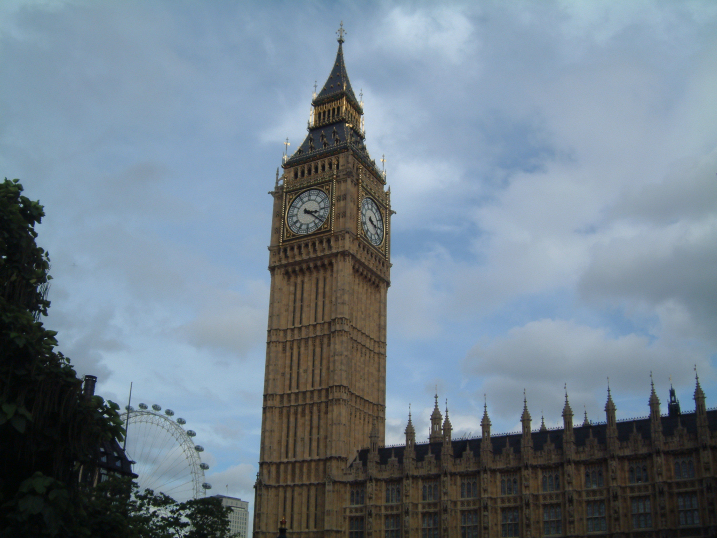
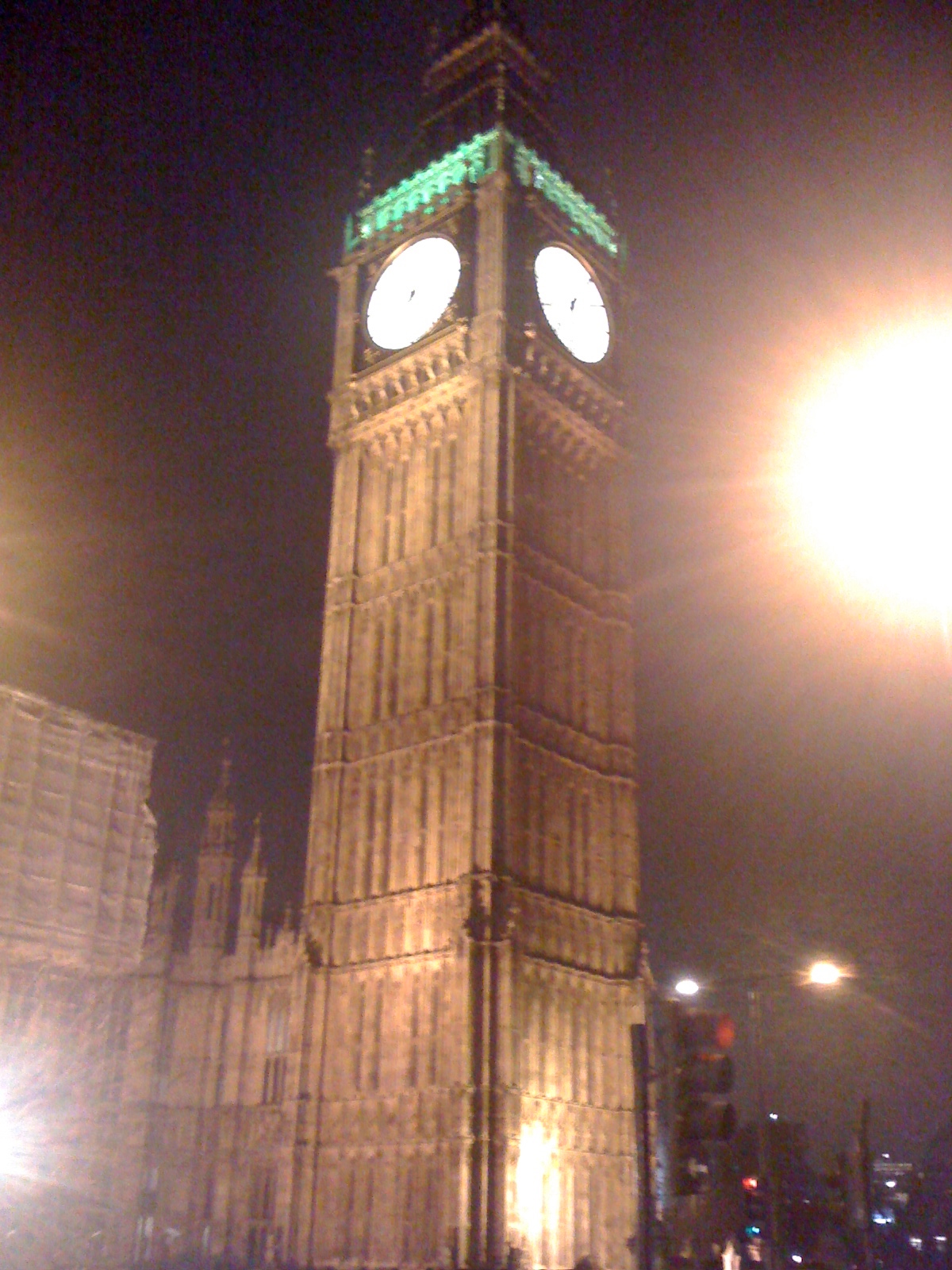
Big Ben is one of London's best-known landmarks, and looks most spectacular at night when the clock faces are illuminated. You even know when parliament is in session, because a light shines above the clock face.
The four dials of the clock are 23 feet square, the minute hand is 14 feet long and the figures are 2 feet high. Minutely regulated with a stack of coins placed on the huge pendulum, Big Ben is an excellent timekeeper, which has rarely stopped.
The name Big Ben actually refers not to the clock-tower itself, but to the thirteen ton bell hung within. The bell was named after the first commissioner of works, Sir Benjamin Hall.
This bell came originally from the old Palace of Westminster, it was given to the Dean of St. Paul's by William III. Before returning to Westminster to hang in its present home, it was refashioned in Whitechapel in 1858. The BBC first broadcast the chimes on the 31st December 1923 - there is a microphone in the turret connected to Broadcasting House.
During the second world war in 1941, an incendiary bomb destroyed the Commons chamber of the Houses of Parliament, but the clock tower remained intact and Big Ben continued to keep time and strike away the hours, its unique sound was broadcast to the nation and around the world, a welcome reassurance of hope to all who heard it.
There are even cells within the clock tower where Members of Parliament can be imprisoned for a breach of parliamentary privilege, though this is rare; the last recorded case was in 1880.
The tower is not open to the general public, but those with a "special interest" may arrange a visit to the top of the Clock Tower through their local (UK) MP.
Photos of Big Ben
Seen Big Ben?
This place is waiting to be seen by others! Got a photo?
Log in and add it — it takes a second or two.